Source Non Stick Roasting Tray for Baking, Grilling, and Roasting
Compare 30 verified listings for the non stick roasting tray featuring ceramic coating and carbon steel construction. Buyers can evaluate specifications like size, thickness, and customization options from suppliers in China.
Key considerations
Products List
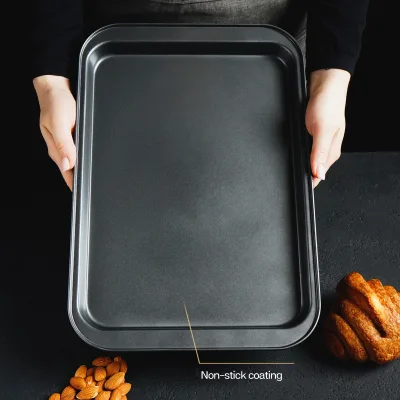


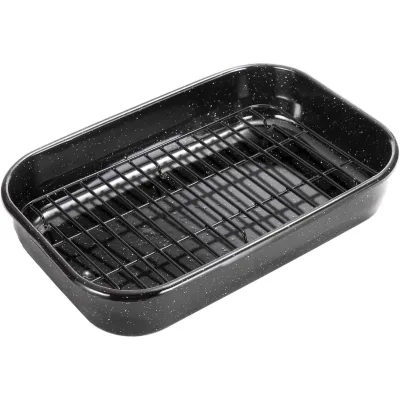
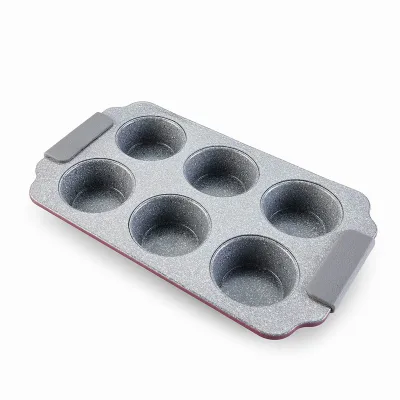
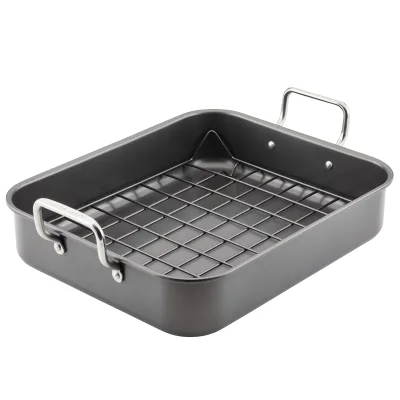




Comprehensive Sourcing Guide
Non Stick Roasting Tray Sourcing Guide
Sourcing non-stick roasting trays requires a disciplined approach to material verification and coating integrity, as these factors directly impact food safety and product longevity. The market offers a wide variety of options, ranging from basic aluminum foil disposables to heavy-gauge carbon steel pans with ceramic coatings. Buyers must distinguish between temporary usage solutions and durable bakeware designed for repeated oven use. Understanding the specific construction of the tray, including its base material and surface treatment, is the first step in ensuring that the procurement aligns with both operational needs and regulatory compliance.
This guide provides a structured framework for evaluating suppliers and products in this category. It focuses on verifying technical specifications, assessing compliance documentation, and understanding the commercial terms that influence total cost of ownership. By adhering to these evidence-based procurement practices, buyers can mitigate risks associated with poor quality coatings, inconsistent dimensions, and non-compliant materials. The following sections detail the critical checkpoints for sourcing high-quality non-stick roasting trays that meet professional standards.
Product Scope and Observed Listing Signals
The current market landscape for non-stick roasting trays includes diverse product types, from single-use aluminum foil containers to durable, reusable bakeware. Observed listings indicate a significant price range, reflecting the variance in material quality and manufacturing complexity. For instance, some products are identified as aluminum foil items with specific volume standards, while others are constructed from carbon steel or steel with ceramic coatings. These differences dictate the intended use case, with foil trays suited for short-term or high-volume disposable needs, and coated steel trays designed for long-term commercial kitchen operations.
Key attributes observed in supplier listings provide immediate signals about product suitability. Dimensions such as 38x27.5x2 cm and 30-33 cm are common, indicating standard sizing for various oven capacities. Material specifications vary, with some items explicitly labeled as carbon steel or aluminum foil, while others mention steel construction. Coating types are a critical differentiator, with ceramic coatings appearing in listings alongside traditional non-stick finishes. Buyers should note that "eco-friendly" claims are present in some listings, which may refer to recyclable materials or sustainable manufacturing processes, but these claims require independent verification to ensure they are not merely marketing terms.
Technical Specifications to Verify
Dimensional accuracy and material thickness are paramount for ensuring that roasting trays fit standard commercial ovens and withstand thermal stress. Buyers must verify that the stated dimensions, such as 38x27.5x2 cm or 30-33 cm, match their equipment requirements precisely. Thickness is another critical specification; observed listings mention thicknesses of 1.5 mm, which suggests a robust construction capable of resisting warping under high heat. Thinner materials may be more cost-effective but are prone to deformation, leading to uneven cooking and potential safety hazards. Confirming these physical attributes through sample testing or detailed technical drawings is essential before placing bulk orders.
The type of coating and handle configuration significantly influence the usability and maintenance of the roasting tray. Ceramic coatings are highlighted in some listings as a feature, offering a non-stick surface that is often perceived as more durable and chemically stable than traditional PTFE coatings. However, buyers should verify the adhesion quality and scratch resistance of these coatings. Additionally, handle design varies, with some trays featuring stainless steel covers or integrated handles, while others are handle-less. The presence or absence of a handle affects how the tray is transported and stored, so this feature must align with the workflow of the end-user.
Compliance and Safety Documentation
Food contact safety is the primary concern when sourcing non-stick cookware, requiring rigorous verification of material certifications. Listings may reference certifications such as CE/EU, ISO9001, or specific chemical compliance standards like RoHS and REACH. These certifications indicate that the manufacturer adheres to certain quality management and environmental standards, but they do not automatically guarantee food safety compliance. Buyers must request specific food contact material certificates, such as FDA compliance for the US market or LFGB for Europe, to ensure that the non-stick coating and base materials do not leach harmful substances into food during heating.
Regulatory compliance extends beyond material safety to include manufacturing standards and environmental claims. If a supplier claims their product is "eco-friendly," buyers should ask for supporting documentation, such as recyclability reports or lifecycle assessments. Similarly, claims of "oven safe" or "dishwasher safe" capabilities must be backed by test results or manufacturer warranties. Without this evidence, these claims remain unverified assertions that could lead to product failure or regulatory penalties. Ensuring that all safety and compliance documents are current and issued by accredited bodies is a non-negotiable step in the procurement process.
Cost Drivers and Commercial Terms
The cost of non-stick roasting trays is influenced by material choice, coating technology, and order volume. Carbon steel trays with ceramic coatings typically command a higher price than aluminum foil alternatives due to the complexity of the coating process and the durability of the base material. Minimum Order Quantities (MOQs) vary widely, ranging from small batches of 24 pieces to large orders of 20,000 pieces. Understanding the MOQ structure is crucial for budgeting, as smaller orders may incur higher per-unit costs, while larger orders may offer significant discounts but require greater storage capacity and capital outlay.
Sample availability and customization options also impact the overall procurement cost. Many suppliers offer samples, often within a seven-day timeframe, allowing buyers to evaluate quality before committing to a full order. Customization, such as logo printing or specific color choices, may involve additional setup fees or higher MOQs. Buyers should clarify whether the quoted price includes packaging, such as color sleeves or shrink wrap, and whether shipping costs are included. Transparent commercial terms help avoid hidden costs and ensure that the total cost of ownership is accurately calculated.
Supplier Qualification and Quality Control
Evaluating supplier qualifications is essential to ensure consistent product quality and reliable delivery. Buyers should verify the supplier's place of origin, with many listings indicating production in regions like Zhejiang or Hebei in China. While geographic location can provide insights into the local supply chain and manufacturing expertise, it should not be the sole criterion for selection. Instead, buyers should focus on the supplier's track record, production capacity, and quality control processes. Requesting references or case studies from other B2B clients can provide valuable insights into the supplier's reliability and responsiveness.
Quality control measures should be integrated into the procurement process to minimize the risk of defects. Buyers should establish clear acceptance criteria for product dimensions, coating integrity, and packaging quality. Implementing pre-shipment inspections or third-party quality audits can help identify issues before goods are dispatched. Additionally, suppliers should provide a clear warranty or return policy for defective products. Establishing a strong relationship with the supplier based on mutual trust and clear communication can facilitate smoother transactions and better problem resolution in the event of quality issues.
Long-Term Procurement Checks
Sourcing non-stick roasting trays is not a one-time transaction but an ongoing process that requires regular review and optimization. Buyers should periodically reassess their supplier base to ensure that quality standards are being maintained and that pricing remains competitive. Monitoring market trends for new coating technologies or sustainable materials can provide opportunities for innovation and cost savings. Engaging in continuous dialogue with suppliers about performance feedback and potential improvements can foster a collaborative relationship that benefits both parties.
Long-term procurement success also depends on adapting to changing regulatory and market conditions. As environmental regulations become more stringent, buyers may need to prioritize suppliers with stronger sustainability credentials. Similarly, shifts in consumer preferences towards healthier cooking options may drive demand for specific types of non-stick coatings. By staying informed and proactive, buyers can ensure that their procurement strategy remains aligned with business goals and market demands, securing a reliable supply of high-quality non-stick roasting trays for the future.
FAQs
What material is used for the non stick roasting tray?
The tray is constructed from carbon steel, providing durability and heat retention. Some variants may utilize aluminum foil or other steel types. The material choice ensures structural integrity during high-temperature baking. Buyers should verify specific material grades for their application needs. This composition supports the ceramic coating's performance effectively.
Is the bakeware safe for oven use?
Yes, the product is explicitly oven safe. It is designed to withstand typical baking temperatures. The ceramic coating enhances its suitability for roasting and baking tasks. Users should follow standard oven safety guidelines. This feature makes it a versatile option for various kitchen cooking requirements.
Can I customize the logo on the tray?
Customization is available for branding purposes. Buyers can request custom logos or OEM services. This option is ideal for private labeling or corporate gifts. The customization process allows for specific design integration. Contact suppliers directly to discuss logo placement and design specifications.
What are the standard dimensions of the square tray?
The standard size is 38 by 27.5 by 2 cm. This square shape offers ample space for roasting. Thickness is typically around 1.5 mm for durability. Custom sizes may also be available upon request. These dimensions are suitable for most standard oven racks.
Is the roasting tray dishwasher safe?
Yes, the product is dishwasher safe for convenient cleaning. The ceramic coating helps resist stains and food residue. Hand washing is still recommended to prolong coating life. This feature simplifies maintenance after heavy use. It ensures hygiene and ease of care for daily kitchen operations.
What certifications does the product hold?
The product holds CE and EU certifications. These indicate compliance with European safety and quality standards. Some listings may also reference ISO9001 or RoHS. Certifications ensure the product meets regulatory requirements for export. Buyers should verify specific certificates for their target markets.